Table of contents
Traveling to a new destination offers a thrilling chance to explore unique flavors and dishes that define a region’s identity. As appetizing as local cuisine can be, new tastes and unfamiliar ingredients may pose challenges for travelers who want to enjoy local food without compromising their health. Discover proven strategies for savoring authentic meals while staying safe, and learn the best ways to navigate local cuisine confidently in the paragraphs that follow.
Understanding local food culture
Exploring local cuisine is a compelling way to experience a destination, yet taking time to research the food culture beforehand is highly beneficial for both enjoyment and safety. Each region develops its own culinary customs, influenced by history, climate, and the availability of ingredients, which shape traditional food and eating habits. For example, some cultures emphasize communal dining or specific meal times, affecting not only how food is served but also how it should be consumed. Recognizing these subtleties, such as whether to eat with hands or utensils, helps travelers avoid misunderstandings and better appreciate the gastronomy on offer.
Understanding local food ingredients plays a vital role in ensuring a positive street food experience, as unfamiliar spices or preparation methods may impact sensitive stomachs or dietary restrictions. Researching typical dishes allows visitors to identify potential allergens or foods best enjoyed when freshly prepared. Connecting with culinary experts, such as local food historians, can provide deep insights into traditional food preparation methods and seasonal specialties, enhancing both safety and appreciation. These specialists often share knowledge about which markets or vendors uphold the highest standards of hygiene and authenticity, offering a safer introduction to regional flavors.
Delving into the broader context of a destination’s gastronomy empowers visitors to make informed choices at restaurants and street food stalls. Local experts may highlight specific culinary customs, such as the use of raw ingredients or preservation techniques, that could affect food safety and overall enjoyment. Equipping oneself with this knowledge not only enriches the travel experience but also fosters respect for the community’s food heritage, allowing for more meaningful and memorable culinary adventures.
Identifying safe food choices
When exploring local dishes during travels, making informed choices about where and what to eat plays a pivotal role in healthy travel. Start by observing food hygiene practices: reputable eateries often display visible cleanliness, including tidy workspaces, staff using gloves, and frequent handwashing. Cross-contamination remains a significant concern, so ensure raw and cooked foods are stored and handled separately. Seek out food establishments that have a steady flow of customers, as high turnover typically signals safe eating standards and fresher ingredients. Consulting recommendations from health inspectors or local food safety authorities can provide updated information about trustworthy restaurants and street vendors. Additionally, avoid foods that have been left out at room temperature for extended periods or that appear undercooked, and prioritize freshly cooked, steaming-hot meals to minimize risks associated with unsafe local cuisine.
Handling dietary restrictions abroad
Traveling introduces a vibrant array of flavors, but those with dietary restrictions or food allergies must be vigilant to ensure safe dining experiences. Mastering clear communication is key: carrying allergy cards written in the local language can help convey dietary needs to restaurant staff, minimizing misunderstandings and reducing the risk of allergen cross-contact. It is beneficial to familiarize yourself with common local ingredients and food preparation methods, as some cuisines may use hidden allergens or unfamiliar additives. Checking allergen information on menus, when available, can further help in making informed choices, while showing staff any medical identification can prompt heightened diligence. Consulting with registered dietitians who specialize in travel nutrition prior to departure equips travelers with tailored travel tips, such as recommended snacks, local dishes that are typically safe, and strategies for emergency situations. Taking these steps fosters confidence to explore new culinary landscapes while prioritizing health and enjoyment.
Making informed street food choices
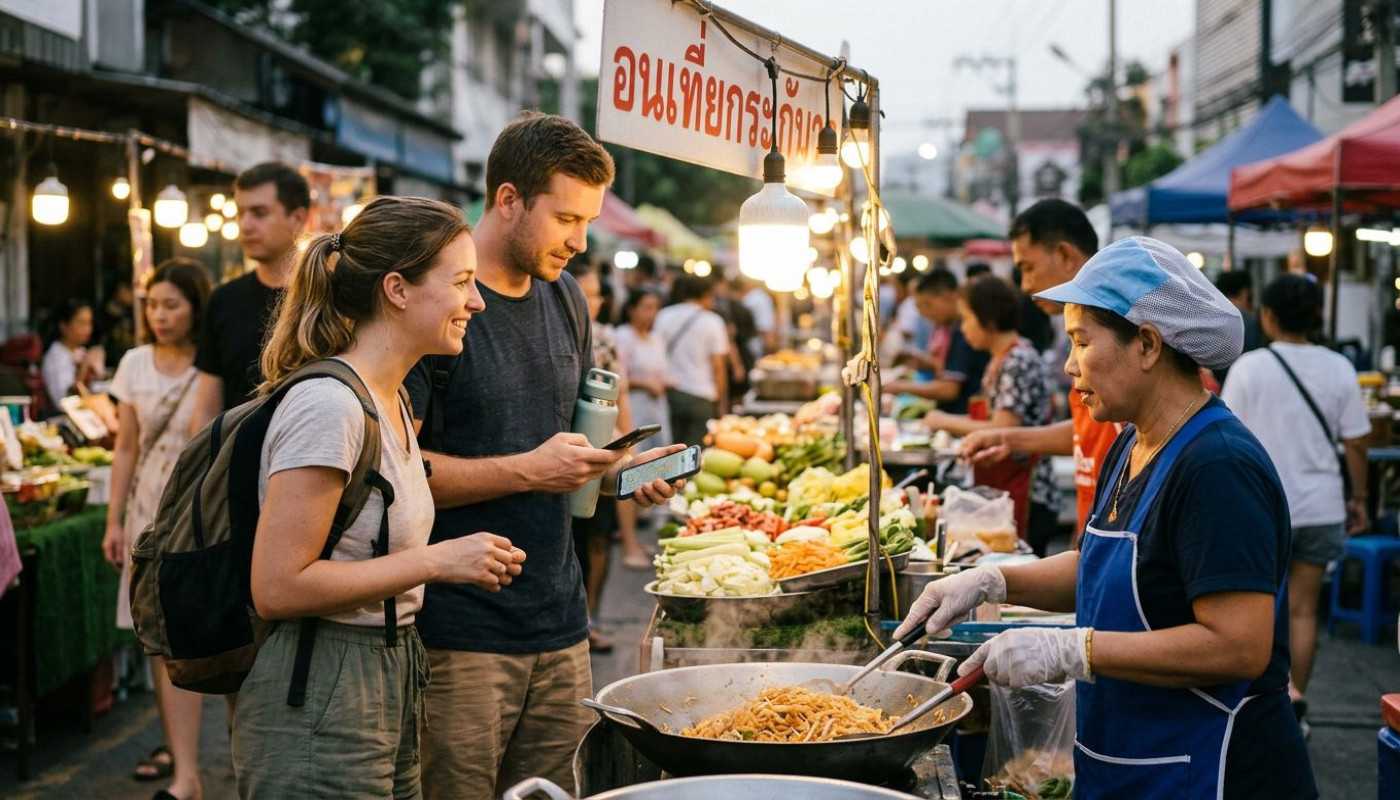
Exploring local specialties through street food is a highlight of safe eating abroad, but street food safety depends on making informed choices. Begin by conducting a visual inspection of food vendors; clean hands, tidy workstations, and fresh ingredients are often indicators of safe practices and help reduce the risk of foodborne illness. Observing local eating patterns is another effective strategy—frequented stalls with steady customer turnover typically serve fresher food and are less likely to harbor safety risks. Choosing popular vendors not only increases the chance of authentic food but also aligns with the habits of residents who have learned over time which options are safest.
Consulting recognized public health officials or reputable travel resources for up-to-date advice on safe vendors can further minimize health risks. Many travelers benefit from checking government or tourism boards' recommendations before sampling food from unfamiliar stalls. For inspiration, platforms such as Japan Atlas offer insight into reputable places for authentic cuisine, helping tourists identify trustworthy vendors in areas renowned for their street food culture. This approach ensures a memorable culinary experience while protecting against discomfort or illness during your journey.
Dealing with food emergencies
Encountering a food emergency, like food poisoning or allergic reactions, is a genuine risk when exploring new cuisines. Travelers should always be prepared by researching the nearest medical care facilities and saving local emergency services numbers in their phone. Immediate first aid response can make a significant difference, especially when symptoms such as severe vomiting, difficulty breathing, or loss of consciousness occur. In such cases, quick access to travel health information and certified travel medicine professionals becomes indispensable. Carrying a basic first aid kit, including anti-diarrheal medication, oral rehydration salts, and any prescribed allergy treatments, adds a practical layer of security. If a food emergency arises, promptly seek medical care at a reliable clinic or hospital and inform your travel insurance provider for support and assistance. Proactive planning and knowledge of local resources can help ensure that a food poisoning incident or allergic reaction does not escalate into a more serious health crisis during your travels.
On the same subject

Is The Self-drive Safari The Underrated Route For Authentic Wildlife Encounters?

Exploring The Benefits Of Nature Playgrounds In Urban Settings

A Guide To The Best Neighborhood Strolls In Eastern Paris

Exploring Eco-Friendly Travel: Tips For Sustainable Tourism

Top Family-Friendly Activities In New York City For Every Season

Extreme Tourism: A Rush of Adrenaline and Culture
